
Hello there and welcome to my twenty-third blog.
I hope that you are all well and keeping safe.
So often and in so many places, the words clean eating seem to appear. This clean eating story started to intrigue me so I decided that I needed to investigate it and try to make some sense of it. After much reading and a great deal of extrapolating this is what I found.
Probably the first documentation of eating clean food was in 1881 when a British chemist created The Pure Food Company (a wellness type of business) because he was convinced that the whole food supply of London was riddled with toxins and fakery. Sadly, it collapsed within a year due to a lack of sales. Moving far forward into the post-world war two decades most of the world started transitioning to a westernized diet high in sugar, meat, fat, salt, refined oils, ultra-processed foodstuffs, and food that was low in veggies. Sweet drinks and convenience foods became the norm. Slowly over time chronic conditions such as cancer and heart problems and food allergies started to increase. This mainstream diet started to cause sickness, people became worried and looked to alternatives. The varied and many gurus then stepped in, offering simple and reassuring eating messages. In 2007, Tosca Reno, a Canadian fitness model wrote a book and introduced the first version of clean eating describing how she lost weight and transformed her body by avoiding over refined and processed food. The second version of clean eating was developed by Alejandro Junger, an LA-based cardiologist from Uruguay who is the author of a very popular health book called Clean. Clean eating has steadily increased in popularity from this time. There is an Instagram page called #Eatclean which has fifty-nine and a half million posts on it and it is found in all other social media platforms, too.
So, what exactly is clean eating?
Clean eating is basically about eating more of the best and healthiest options in each of the food groups and eating less of the not-so-healthy ones. So, eating veggies, fruit, whole grains, healthy proteins, and fats. It means cutting back on refined grains, additives, preservatives, unhealthy fats, and large amounts of added sugar and salt. Some plans suggest eliminating food groups like dairy or grains. The fewer ingredients in the food, the better. Clean eating trends have become increasingly popular through various media outlets like blogs, TV segments, Facebook and Instagram, and magazine articles. Various health and wellness gurus support and advocate this clean eating and they typically base the information they provide on personal experience. It has become a lifestyle, as opposed to a diet.
The concept of clean eating is wonderful. However, just a few things I feel we need to be aware of.
- Eliminating a food group for whatever reason can be an issue as one needs to be sure that what you eat has the essential nutrients in the right amounts. I recommend doing this in consultation with a nutritional advisor.
- Describing what people eat as clean makes what you eat become a moral issue. Eating the so-called bad food makes it seem that you are unable to make good choices. This implies that if you are not eating clean, what you are eating is dirty or unhygienic and that is not acceptable.
- More and more marketers refer to their food products as clean but if they are full of a trendy version of an oil or sugar, this may not be true.
- I am not sure that there is enough scientifically-based evidence for the claims of clean eating.
- This way of eating may also lead to obsessive behaviour which may result in a condition called orthorexia. Orthorexia is an eating disorder that involves an unhealthy obsession with healthy eating.
There are so many advantages to clean eating.
- Clean eating may improve your heart and brain health.
- It may assist with weight management
- This may help build a stronger immune system, increase your energy levels, help lower inflammation.
- Your food cravings and sugar addiction may decrease.
- This may improve your sleep pattern and generally help improve your mental and physical health.
In my opinion, the principles of clean eating taken in moderation (yes, I can use the word) are awesome! Below are a number of ways to do this. Definitely some repetition, but positive repetition and perhaps a few new ideas to inspire you. Perhaps by empowering ourselves, we can achieve the extraordinary health that we all aspire to.
- Pick whole foods and eat foods that are as close to their natural and original forms as possible. Let us think free-range whole chickens or grass-fed lean protein, but also eating less of these animal proteins and more of the plant-based ones. Remember that most canned beans, lentils, chickpeas, and peas are just as nutritious and cost a whole lot less.
- Eat more whole grains like oats, barley, whole wheat bread, and pasta and brown or wild, and lose the white bread, pasta, and rice.
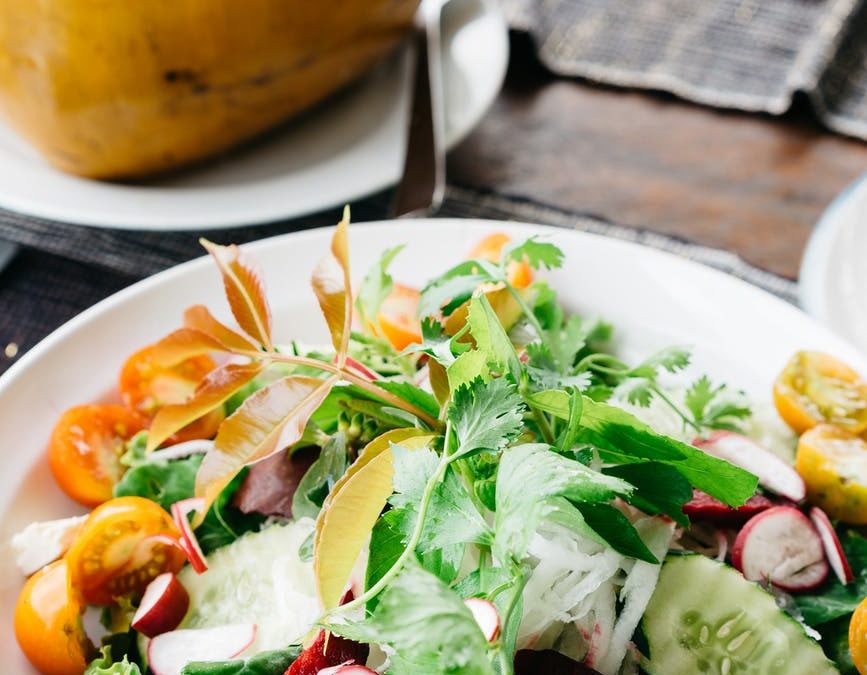
- Load up on a variety of whole fresh or frozen fruit and veggies, aiming to get five to nine servings a day and try to eat the rainbow of colourful fruit and veggies. Eat nutritious lunch bowls of goodness filled with those marvellous macronutrients.
- Keep your fridge and pantry stocked with healthy easy snack and meal options.
- Focus on ingredients, not calories.
- Cook meals wherever possible.
- Shop the perimeter of the grocery store as it usually contains fresh produce and healthy protein sources.
- Support your local farmers whenever this is possible and try to establish the source of your food.
- Meal prepping for the week ahead ensures that you will have fresh healthy options every day and helps you to make good food choices.
- Watch out for added sugar or salt by avoiding processed foods and also reading food labels. Also, be careful how much salt you add to your food.
- Skip artificial colours, sweeteners, preservatives, or additives.
- Eat food and not food claims. Ensure that “health’ claims are legitimate. We get health from food, not from the individual ingredients that it contains.
- Make healthy versions of your favourite snack. Dip strawberries into some Nova dark choc.
- Not all packaged food is the enemy. A short ingredient list is key, and make sure that you can pronounce the ingredients.
- Indulge sometimes is this is part of eating in a healthy way.
- Drink plenty of water and cut back on the caffeine and alcohol if it is not serving you.
Let us not label food or the way in which we eat. Food is not good or bad or clean or dirty. Food is nutritious or not and the more nutritious food you eat, the healthier you will be. Let us aim for balance, making good food choices most of the time. Let us mostly feed ourselves and our bodies with all the spectacular nutrient-dense food that is out there, whilst also indulging every now and again. Let us treat ourselves with kindness always, and let us cherish our unbelievable bodies.

Tip number twenty-two
Ensuring that you have a daily routine can be the best anchor in your life. The predictability of routine can offer comfort in an otherwise unpredictable world. This could definitely enhance our overall health and wellbeing.
Great, informative article Hayles
Really enjoyed reading this!
So pleased to hear this, Ali. Such a minefield of info out there and for me it’s so important to try to make sense of it all.