
Hello friends and welcome to my sixty second blog.
We have had a bit of a rough week. My younger boys went back to varsity on Sunday, Muz died one year ago on Wednesday and my Mum is having a really rough time with her health..
Given all this, and knowing me as I do, the week could have been a disaster. I could easily have reverted to type, bemoaning my fate, “woeing is me all over the place” and asking the powers that be, “Why Me?”
Yet, I did not. I completely surprised myself. It was not because I went to chat to my therapy person. It is also not because I went and had loads of bubbles and cried and laughs with my dear friends. When, sadly, did we do that last? This is not to say that my girlfriends and a couple of my guys have been absolutely wonderful, and the ongoing support and messages have been amazing, but I have not really wanted to talk about any of it in too much detail. My boys are my rocks, but I felt it was not right to over burden them. They all have enough on their plates.
All-in-all, I believe that I have really managed this quite well. How on earth have I been able to do this?
So, I racked my brains and thought and pondered and tried to make sense of it all. I read a little, not a lot and decided that a great deal of it had to do with kindness, amongst a few other things. I have spoken about kindness often; about being kind to ourselves and being kind to others.
However, this was different. Let me explain.
My practice is busy (Hayles we have heard this before) and I am really enjoying the hard work, mostly. However, it is not about this. Without being aware of it, I am doing acts of random kindness daily and several times a day.
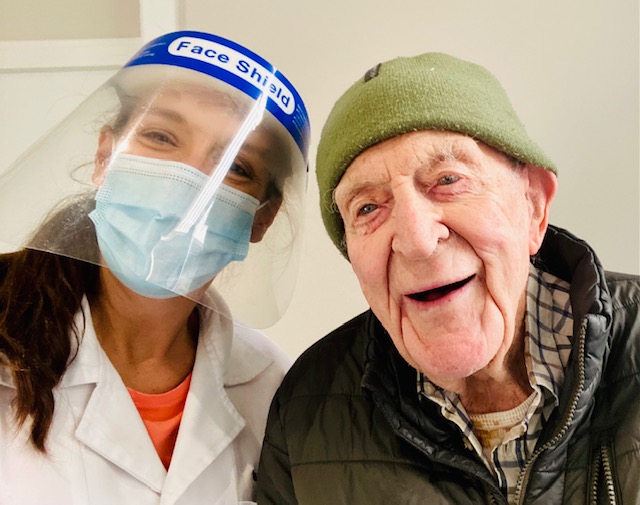
I brush my patient’s hair before I treat her. I find a necklace for another before we walk out her room. I fetch another’s cell phone from her room while she is at breakfast, having forgotten to take it with her. I smile and smile and smile again. I chat to the ladies who clean the homes, and we have a giggle. I move a chair, lift a towel and straighten a jersey. I sit down and chat before or after treating my patients. I take pics and videos to send to daughters and sons who live far away. Funnily enough, of late, I have not spoken much about my stuff and that is okay. In fact, it is good. Initially I did, and I am sure I will do so again, but at the moment, I really do not want to.
I am actually not a kind person, and I am no I am not bringing myself down, I have so many other attributes (modesty would appear not to be one of them) but kind I am not. I am a caring, feeling, thoughtful person and I do like to make people happy, but I think perhaps this may stem from the fact that by doing all this, it makes me feel better about myself and distracts me from the sadness and worry and anxiety. It is certainly and definitely not pure altruism. In fact, according to some psychologists, pure altruism does not exist. Evolutionary psychologists have suggested that altruism towards strangers may be a leftover trait from when we lived in small groups with people we were genetically closed linked with. We felt an instinct to help others in our group because our own survival depended on the safety of the group. This would indirectly support the survival of our genes. An interesting thought. Anyhow, I digress. This blog is not a debate about the various interpretations of altruism.
How can kindness benefit us personally?
1. It can improve your physical health.
Being kind is not just good for you emotionally and mentally. It is also good for your body. In one study, writing small notes of affection to loved ones was found to lower levels of “bad” cholesterol in college students. Other research has indicated that people who devote more time to meaningfully helping others have less inflammation. Not only that, but their immune system is also better able to fight off infections. Who knows? Maybe being kind to others will help you ward off that cold or perhaps even Covid (only joking!)
2. It reduces stress.
The way we interact with others is directly related to our own emotional health. Being kind seems to buffer the negative effects stress has on us. Our friend, oxytocin the “love hormone” spoken about at length before is released when we participate in acts of kindness, and this increases our self-esteem and optimism.
Additionally, being kind acts like a medical antidepressant in that it stimulates the production of serotonin, the feel-good chemical that calms us down. Compassion may help lower the stress hormone, cortisol. Being kind to others also releases feel-good hormones like dopamine, which is part of the brain’s reward system, these hormones make us feel happy and satisfied and are associated with pleasurable activities such as sex and eating good food. It also makes you more alert, focused, and motivated. I think this helps me whilst treating my patients during a long day. This stops me from stressing about me and my issues and may help me cope better with stress.
3. Kindness helps your heart.
Being kind to others can affect the chemical balance of your heart. It sets free the hormone oxytocin (that one again) which causes the release of a chemical called nitric oxide in blood vessels, which dilates the vessels. Oxytocin is also a cardioprotective (serving to protect the heart) hormone as it reduces blood pressure. There is a saying that says, caring people have big hearts – this is so true!
4. We can encourage closer relationships.
Being kind can help us show someone that they mean something to us, whether it be your partner, an acquaintance or your Uber driver. It really does not matter the nature of your relationship. Research shows that having strong relationships and a solid support system may enhance feelings of contentment. I am privileged to have been beyond blessed with both.
Additionally, research shows that being kind to others activates our posterior superior temporal cortex – the part of the brain associated with empathy. By exercising our “understanding” muscle, we are better able to see the world from other people’s perspective and listen to friends and family with kindness and compassion. I am doing this super well at present. Long may this last!
5. Reciprocal actions.
Humans follow a behaviour pattern called the norm of reciprocity, whereby we tend to reciprocate similar actions. If someone is kind to us, more than likely we will be kind back. This then helps us feel great. Hopefully, we do not experience too much of the horrible reciprocity!
6. Smile and the world smiles too.
Often if you show care to someone, they will start smiling. This usually results in you smiling too. Neuroscience suggests that seeing someone else show an emotion automatically activates the same areas of the brain as if we experienced that emotion for ourselves. This could be anything from giving a compliment to making a joke. I smile and laugh often. Here is hoping that this area of my brain remains lit up like a Christmas tree.
7. Kindness leads to longevity.
Researchers have shown that people who practiced loving-kindness mediation which focuses on health, happiness and well-being towards others, have significantly longer telomeres than the non-meditators. Telomeres are structures at the end of chromosomes that are a biomarker associated with ageing, longer telomeres being associated with longevity.
8. Being kind is an antidote to anxiety.
Studies show that acts of kindness can ease our anxiety, as I mentioned above. By performing random acts of kindness, people experience positive, decreasing their anxiety overall. It calms the mood and takes the focus off yourself.
Both the release of dopamine and building social connections have been shown to reduce or prevent signs of mental illness like depression and anxiety. Stress can be another trigger for these conditions, especially anxiety, so being kind helps to address them from another angle, too. While being kind to others is no substitute for going to therapy or taking necessary medications, it can be another tool in your toolbox to manage depression and anxiety.
9. We are happier when we are kind to others.
Being kind boosts our happiness. I really love this Chinese saying:
“If you want happiness for an hour, take a nap. A day, go fishing. A year, inherit a fortune. If you want happiness for a lifetime, help somebody.”
For centuries, philosophers all over the world have said the same thing: happiness is best found in the joy of helping others.
Various studies have shown a direct connection between kindness, altruism (that word again) and less depression. Quite simply, kindness makes us happy, and happiness makes us kind. In what experts believe to be a “kindness feedback loop” of sorts, the happier we feel about our past generosity, the more we are likely to give in the future. It seems we may be happier when we give to others than when we give to ourselves. We still do need self-love, though.
10. Being kind leads to success.
University of Pennsylvania Wharton professor Adam Grant believes that compassionate leaders can have a far greater advantage than self-absorbed ones. Studies have shown that people like and appreciate “givers” more. Kind people are also more likely to build extraordinary professional relationships, showing people they are valued and breeding trust. When I am kind and gentle. I am more likely to get my patients to work with me and do the best they can.
11. It creates a positive feedback loop.
Being kind to others does not just make both them and you feel good. Thanks to the norm of reciprocity, it also makes them more likely to be kind to you back, which makes you more likely to be kind to them again–and on and on in a cycle of positivity. Your act of kindness may have astounding, unbelievable positive ripple effects.
In conclusion, being kind and caring really does seem to benefit your overall health.
It certainly seems to have been superb for me this week.
Wishing you all a weekend of kindness, care, and compassion.
Thanks to Healthy Human, Narendra Sharma and Andrew Weil.
Hayley you are a blessing in our lives!
I haven’t read all your blogs but I was promoted to read this one. Keep doing what you do so beautifully!
Thank you, Helen, belatedly.
Thank you xxxxx