
Hello there and welcome to my fourteenth blog!
Gut microbiome sounds quite hectic but it really is such a vital part of our nutrition, health and wellness, that I knew I had to write about it.
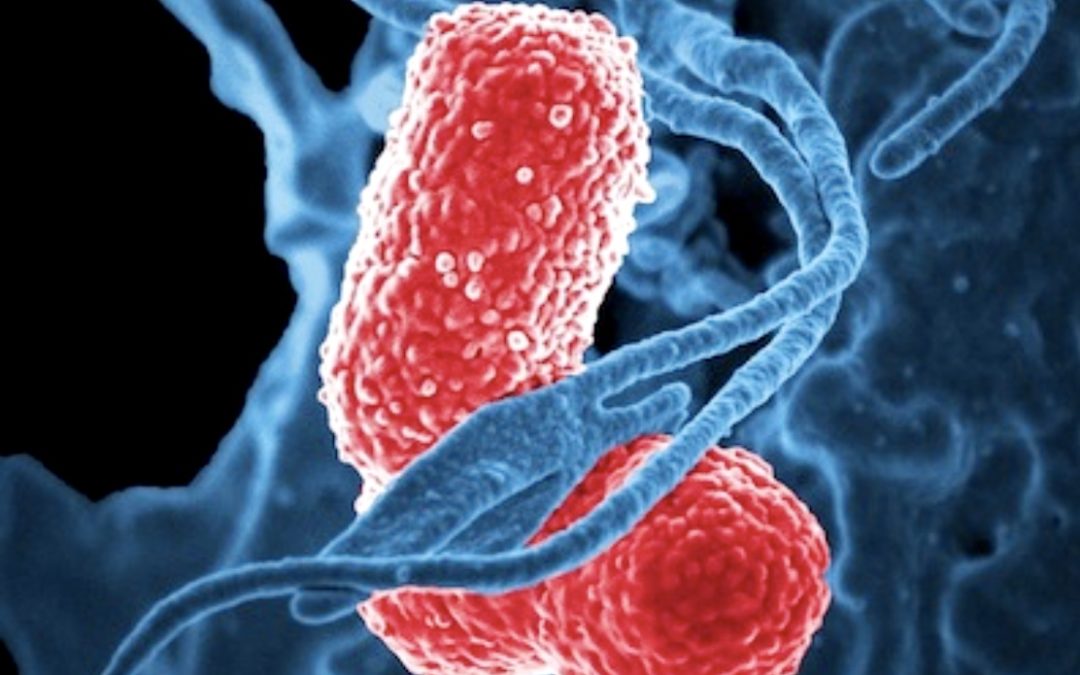
Our gut microbiome is the huge community of trillions of bacteria, viruses and fungi that inhabit every nook and cranny of our gastrointestinal tract. These microbes mostly live in our lower intestine, our colon. Although many different types of microbes live inside our bodies, bacteria are the one that are most studied. We have between five hundred and a thousand different species of bacteria in our digestive tract and they interact with almost all our human cells.
Did you know that there are more bacterial cells in your body than human cells? These numbers vary, but most of the scientific literature report that there are about ten times as many bacterial as human cells. That means we are more bacteria then human!!
All the bacteria in our gut microbiome play a role in our body. Most are important for our good health and they are incredibly beneficial, but there are some that cause disease. The gut microbiome weighs from one to two kilograms, about the weight of your brain.
These gut microbes act as an extra organ in our body and play a huge role in our health.
1.We are first exposed to microbes when we pass through our mother’s birth canal. When you are born, there are many factors that influence the types of bacteria that will live and flourish in your gut; the genetics and health of your parents, whether you are delivered vaginally or by caesarean section, or if you are breast or bottle-fed.
2. There are some foods that we aren’t able to digest, and we need help with them. Simple carbohydrates are easily digested. However, fibre doesn’t get absorbed and makes its way to the large intestine. It’s here that our gut microbes get to work. These microscopic bugs munch their way through the fibre and digest the fibre we can’t get access to.
3.The gut microbiome also controls how our immune system works. By communicating with immune cells, it can control how our body responds to infection. Exciting ongoing research is happening in this field.
4. There are physical and chemical connections between our gut and our brain. This is called the gut-brain axis. Millions of nerves run between our gut and our brain. So, by changing the types of bacteria in your gut, it may be possible to improve our brain function. How cool is that!
5. Certain gut bacteria may play an important role in promoting “good” HDL cholesterol and triglycerides, by regulating cholesterol synthesis and absorption.
6.A healthy happy gut microbiome may help control blood sugar.
What are the signs of an unhealthy gut?
- An upset stomach. As an example, gas, bloating, constipation, diarrhoea and heartburn can be an indication that your gut is struggling to process food and eliminate waste.
- Unintentional weight changes may signify that our body is not able to absorb nutrients, regulate blood sugar and store fat. Weight loss may be caused by small intestinal bacterial overgrowth and weight gain by insulin resistance or the urge to overeat due to decreased nutrient absorption. This may be due to an imbalance of healthy and unhealthy microbes, which is called dysbiosis.
- Sleep disturbances and constant fatigue due in part to the fact that the majority of the body’s serotonin, a hormone affecting mood and sleep, is produced in the gut.
- Skin irritation, e.g. eczema may be a result of inflammation in the gut caused by poor diet.
- Autoimmune conditions may be the result of an unhealthy gut which increases systemic inflammation and alters the proper functioning of the immune system.
- Food intolerances may be caused by poor quality of bacteria in the gut.
How can we improve our gut health?
- Lower our stress levels. We need to meditate, spend time with our pets, drink less coffee, spend time relaxing with friends and laugh
- Recently it has been proposed that physical exercise is able to modify our gut microbiome and improve the healthy bacteria found in it.
- Get enough good quality sleep, as mentioned before.
- Eat slowly and chew your food thoroughly.
- Staying hydrated has been shown to have a beneficial effect on the mucosal lining of the intestines as well as the balance of good bacteria in the gut.
- Take a prebiotic or a probiotic. The prebiotic supplement provides food to help the growth of beneficial bacteria in the gut while probiotics are live good bacteria. It’s best to consult with your GP or healthcare provider before taking these.
- Check for food intolerances, since poor quality bacteria may cause issues, as mentioned above.
- Change your diet. Reduce the amount of processed, high-sugar and high-fat foods. Additionally, eating plant-based and fibre rich foods, e.g. veggies, fruit, yoghurt, whole grains, legumes, nuts, and seeds. Eat foods rich in polyphenols which are found in red wine, green tea, dark chocolate, olive oil, and whole grains. Also, kimchi, kefir, and unpasteurized sauerkraut. Sadly, the latter are not my best. Just remember that the benefits we get from these awesome food choices will only last for as long as you are eating them, or perhaps for a little while after, so keep them coming often and at every meal, if possible. We should (sorry need to use that word every now and again) consume between twenty-five to thirty grams of fibre per day. It appears that most of us are not doing that. A plant-based diet does seem to be the best way to look after these awesome and vital tiny bugs in our gut which do so much for us, and actually ask so little of us.
- Do not use artificial sweeteners since these may increase our blood sugar by stimulating the growth of unhealthy bacteria in the gut microbiome.
Although our gut microbiome is relatively stable, we can change its composition for better or worse within a matter of twenty-four hours by increasing or decreasing the overall amount and types of bacteria in our gut.
We still don’t know exactly what bugs are needed for the best mix of gut bacteria, but we do know that the more diversity there is, the better it is for your health.
While our microbiome may change quickly with what we eat, there are no quick fixes or overnight miracle workers for a healthy gut. As I have said before, it’s about sticking to the small changes that add up.
So, wishing you all the happiest and healthiest gut microbiome!

My thirteenth tip.
Start those restorative practices if you have not already. These practices are a way to reset the nervous system in order to counteract the effects of stress. Try deep breathing exercises, getting those breaths down to your abdomen. Learn a yoga pose. Say those affirmations. Meditate (as mentioned above). These will help to let your body know that you are safe and secure. Good luck and see you next week.
So interesting, and fabulous advice. Love reading your blogs
so pleased to hear that.
A wonderful interesting article Hayles
Hope not too scientific!